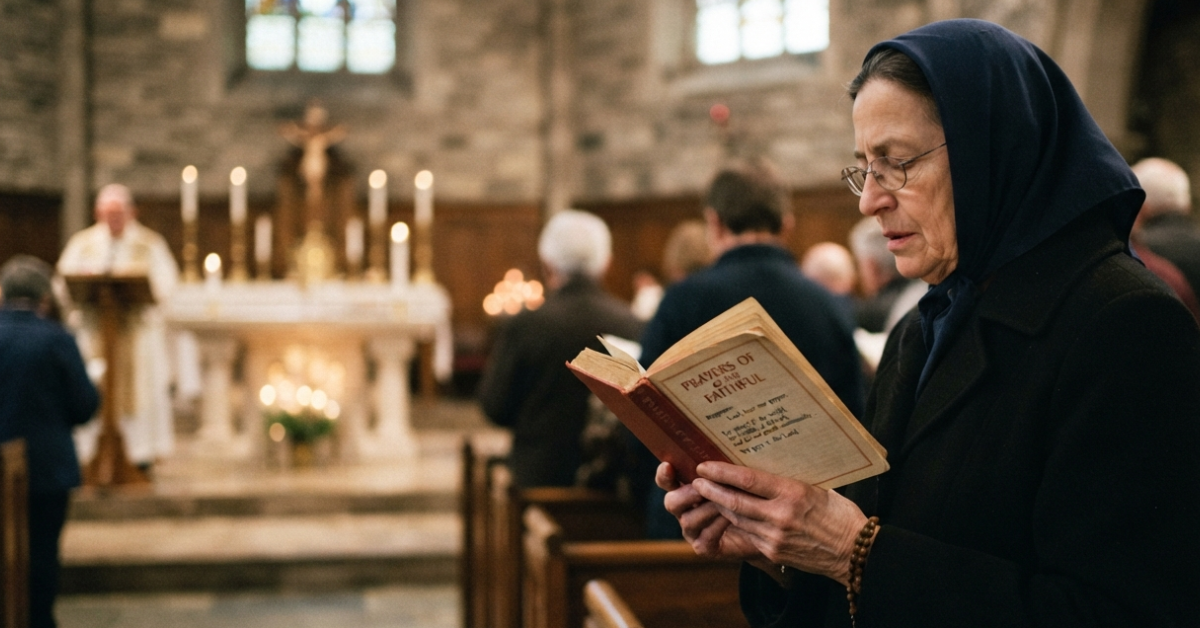
Prayer has always been central to Christian worship, bringing believers together to seek God’s guidance, mercy, and blessings. Among the many forms of communal prayer, prayers of the faithful hold a special place in the liturgy. These petitions invite the congregation to pray not only for personal intentions but also for the needs of the Church, the world, and those who are suffering.
Whether you’re preparing for Mass, leading a church service, or simply interested in learning more, understanding prayers of the faithful can deepen your appreciation for communal worship. This guide explains what the prayer of the faithful is, why it matters, how it’s structured, and offers practical examples that can be adapted for different occasions.
What Are Prayers of the Faithful?
Prayers of the faithful, also known as the Universal Prayer or General Intercessions in many Christian traditions, are a series of petitions offered during the liturgy. They give the congregation an opportunity to pray together for the needs of the Church, society, public leaders, those facing hardship, and the local community.
Rather than focusing solely on individual concerns, these prayers remind believers of their shared responsibility to care for others through both prayer and action.
Typical intentions include prayers for:
- The Church and its leaders
- World peace
- Government officials
- People experiencing illness or hardship
- The poor and vulnerable
- The local parish community
- The faithful departed
The Purpose of the Prayer of the Faithful
The prayer of the faithful expresses the Church’s mission to intercede for the whole world.
Its primary purposes include:
- Bringing the needs of humanity before God.
- Encouraging unity among believers.
- Promoting compassion and service.
- Reflecting the concerns of both the local and global community.
- Inviting active participation during worship.
These prayers help the congregation remember that Christian faith extends beyond personal devotion into concern for others.
When Are Prayers of the Faithful Used?
Prayers of the faithful are commonly included in:
- Sunday Mass
- Weekday Mass
- Weddings
- Funerals
- Baptisms
- Confirmations
- Special feast days
- School liturgies
- Prayer services
The intentions are often adapted to reflect the occasion while maintaining the same overall structure.
Structure of Prayers of the Faithful
Although wording varies between churches, most prayers for the faithful follow a simple pattern.
1. An Introduction
The priest, deacon, or prayer leader invites the congregation to pray.
2. Individual Petitions
Several intentions are read aloud, each focusing on a particular need.
Examples include:
- For the Church
- For world leaders
- For peace
- For those who are sick
- For those in need
- For the local community
After each petition, the congregation responds with a phrase such as:
“Lord, hear our prayer.”
3. A Closing Prayer
The celebrant concludes by asking God to receive the petitions offered in faith.
This ending gathers all the intentions into one final prayer.
Examples of Prayers of the Faithful Today
When preparing prayers of the faithful today, it’s helpful to include intentions that reflect current needs while remaining respectful and prayerful.
Here are a few examples:
For the Church
That Christians throughout the world may faithfully proclaim the Gospel through words and actions, let us pray to the Lord.
For Peace
That nations experiencing conflict may find paths toward justice, reconciliation, and lasting peace, let us pray to the Lord.
For Public Leaders
That those entrusted with leadership may govern with wisdom, integrity, and compassion, let us pray to the Lord.
For the Sick
That all who are ill, lonely, or struggling may experience God’s healing presence and the support of caring communities, let us pray to the Lord.
For Our Parish
That our parish family may continue growing in faith, generosity, and love for one another, let us pray to the Lord.
How to Write Meaningful Prayers for the Faithful
Writing effective prayers for the faithful is easier when you follow a clear structure.
Keep Them Brief
Each petition should express one clear intention.
Avoid lengthy explanations.
Use Inclusive Language
Remember that these prayers represent the concerns of the entire congregation rather than one individual.
Address Current Needs
It’s appropriate to include petitions related to:
- Natural disasters
- Humanitarian crises
- Community challenges
- Church celebrations
- National observances
- Special parish events
This keeps prayers of the faithful today relevant and meaningful.
Maintain a Prayerful Tone
The purpose is to invite trust in God rather than make speeches or express personal opinions.
Simple, reverent language is often the most effective.
Common Themes in the Prayer of the Faithful
Most liturgical prayers include several recurring themes.
These often cover:
- Faith and evangelization
- Peace among nations
- Justice and compassion
- Healing for the sick
- Comfort for the grieving
- Vocations to ministry
- Protection of families
- Care for creation
- Guidance for leaders
- Eternal rest for the faithful departed
Using these themes helps ensure balanced and comprehensive intercessions.
Tips for Leading Prayers of the Faithful
If you’re reading the petitions during worship, consider these practical suggestions:
- Read slowly and clearly.
- Pause briefly after each intention.
- Maintain a calm and respectful tone.
- Pronounce names and places carefully.
- Practice beforehand if possible.
- Allow the congregation enough time to respond.
A thoughtful presentation helps the congregation participate more fully in communal prayer.
Frequently Asked Questions (FAQs)
What are prayers of the faithful?
Prayers of the faithful are communal intercessions offered during Christian worship, asking God to respond to the needs of the Church, the world, and individuals facing difficulties.
What is the prayer of the faithful?
The prayer of the faithful is another name for the Universal Prayer or General Intercessions, typically prayed after the readings and homily in many liturgical traditions.
What should prayers of the faithful today include?
Prayers of the faithful today often include intentions for the Church, world peace, public leaders, those who are sick, people experiencing hardship, the local community, and current events affecting society.
Who writes prayers for the faithful?
Depending on the parish or congregation, prayers for the faithful may be prepared by clergy, liturgy committees, parish staff, or trained volunteers following the guidance of their church.
Can prayers of the faithful be personalized?
Yes. While they follow a traditional structure, the intentions can be adapted to reflect local events, seasonal celebrations, or the specific purpose of a liturgical service.
Why are prayers of the faithful important?
They remind believers to pray not only for themselves but also for the wider Church, society, and all people in need, expressing the Christian call to love and serve others.
Conclusion
Prayers of the faithful are an essential part of Christian worship, uniting believers in prayer for the Church, the world, and those facing challenges. Whether you’re preparing prayers of the faithful today, learning about the prayer of the faithful, or writing prayers for the faithful for a special celebration, the goal remains the same: to bring the hopes and needs of God’s people before Him with faith and humility.
As you continue exploring this beautiful tradition, remember that meaningful intercessions are rooted in compassion, Scripture, and a genuine desire to pray for others. By keeping your prayers thoughtful, inclusive, and centered on God’s love, you can help your congregation participate more deeply in the shared experience of worship.
Leave a Reply