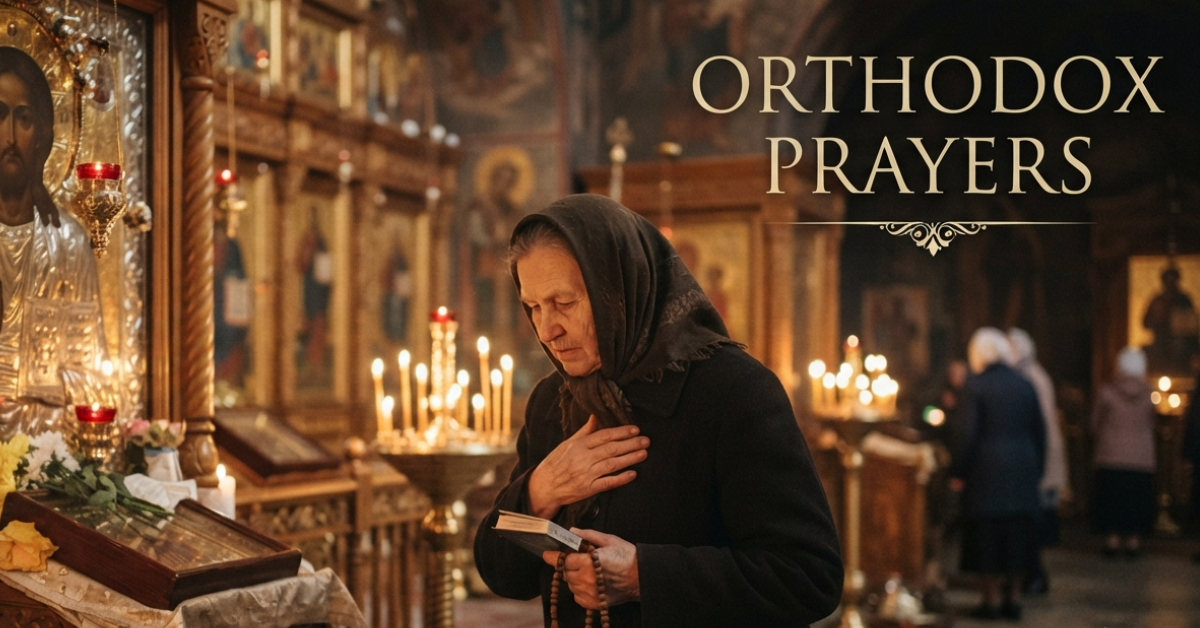
Prayer has always been at the heart of the Christian life, serving as a way to communicate with God, seek His guidance, and grow spiritually. For millions of believers around the world, Orthodox prayers are more than words—they are a daily practice that shapes faith, nurtures humility, and strengthens one’s relationship with Christ. Whether you’re new to the Orthodox Christian tradition or simply interested in learning more, understanding these prayers can provide valuable insight into one of Christianity’s oldest forms of worship.
This guide explores Orthodox prayers, explains the role of Orthodox Christian prayer, introduces the purpose of an Orthodox prayer book, and offers practical advice for building a meaningful daily prayer routine.
What Are Orthodox Prayers?
Orthodox prayers are prayers used within the Eastern Orthodox Church that have been passed down through centuries of Christian tradition. These prayers are rooted in Scripture, the teachings of the early Church Fathers, and the liturgical life of the Church.
Rather than focusing only on asking God for specific needs, Orthodox prayer emphasizes:
- Worship and praise
- Thanksgiving
- Repentance
- Humility
- Spiritual transformation
- Communion with God
Many Orthodox Christians pray both individually at home and together during church services.
The Purpose of Orthodox Christian Prayer
At its core, Orthodox Christian prayer is about developing a deeper relationship with God.
Prayer is viewed as a conversation with the Creator that helps believers:
- Grow in faith
- Seek God’s will
- Develop patience
- Find peace during difficult times
- Express gratitude
- Receive spiritual strength
Orthodox spirituality teaches that prayer gradually transforms the heart, helping believers become more Christ-like in their daily lives.
Common Types of Orthodox Prayers
The Orthodox tradition includes many different forms of prayer, each serving a unique purpose.
Morning Prayers
Morning prayers help believers begin the day by thanking God for life, asking for wisdom, and dedicating the day’s work to Him.
They often include:
- Thanksgiving
- Praise
- Requests for guidance
- Scripture readings
Evening Prayers
Evening prayers encourage reflection on the events of the day and invite believers to seek God’s forgiveness and protection through the night.
Many Orthodox Christians use this time for self-examination and gratitude.
The Jesus Prayer
One of the best-known Orthodox prayers is the Jesus Prayer:
“Lord Jesus Christ, Son of God, have mercy on me, a sinner.”
This short prayer is repeated slowly and prayerfully as a way to cultivate humility, repentance, and continual remembrance of God.
Prayers Before and After Meals
Giving thanks before and after eating is a long-standing Christian tradition that reminds believers that every blessing ultimately comes from God.
What Is an Orthodox Prayer Book?
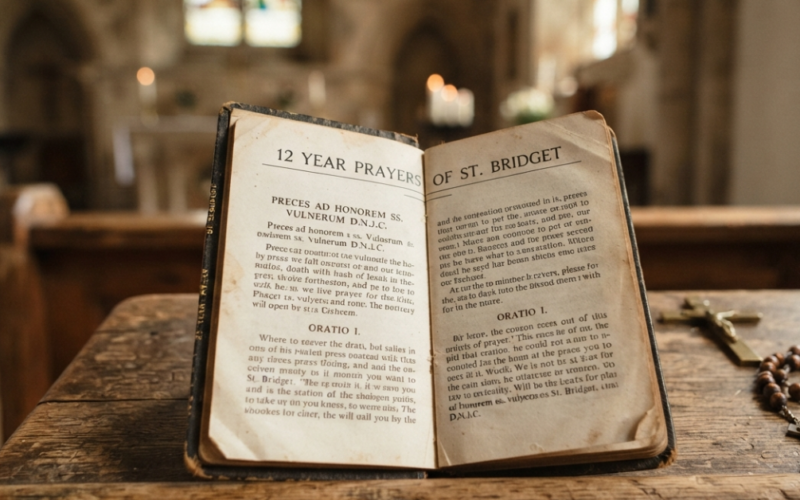
An Orthodox prayer book is a collection of traditional prayers used throughout the day and during different seasons of life.
Most prayer books include:
- Morning prayers
- Evening prayers
- The Jesus Prayer
- Prayers before Communion
- Thanksgiving prayers
- Psalms
- Special prayers for various needs
- Feast day prayers
Because prayer books follow the traditions of the Orthodox Church, they help maintain consistency and preserve centuries of spiritual wisdom.
How to Begin an Orthodox Prayer Routine
Starting a regular prayer life doesn’t require long or complicated prayers.
Instead, consistency is the key.
1. Choose a Regular Time
Many believers pray:
- Early in the morning
- Before bed
- Before meals
- During quiet moments throughout the day
A regular schedule helps build lasting habits.
2. Create a Prayer Space
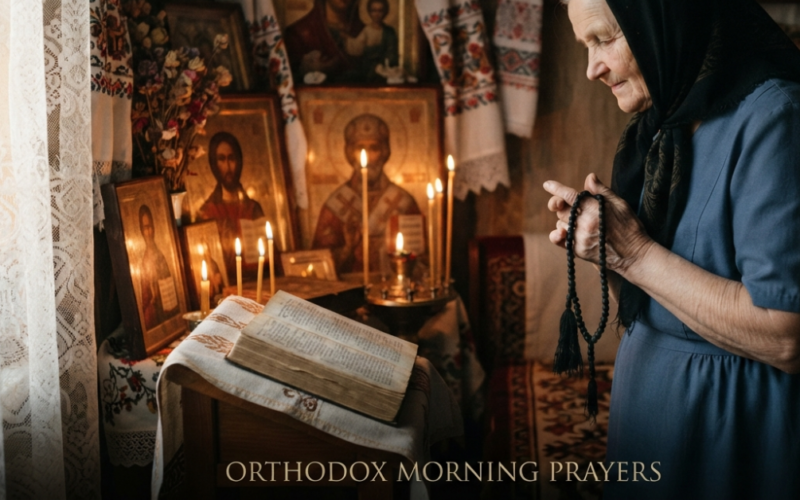
Many Orthodox homes include a prayer corner with:
- Icons
- A cross
- Candles or an oil lamp
- An Orthodox prayer book
- The Bible
This dedicated space encourages focus and reverence during prayer.
3. Pray Attentively
Orthodox spirituality emphasizes praying slowly and thoughtfully rather than rushing through familiar words.
Prayer is meant to engage both the mind and the heart.
4. Be Consistent
Even a few minutes of daily prayer can become spiritually meaningful when practiced faithfully over time.
Consistency often matters more than the length of each prayer session.
Why Orthodox Christian Prayers Remain Relevant Today
Despite living in a fast-paced digital world, Orthodox Christian prayers continue to provide stability and spiritual direction.
Many people find that regular prayer helps them:
- Reduce anxiety
- Improve focus
- Develop gratitude
- Strengthen self-discipline
- Navigate life’s challenges with greater peace
- Maintain a deeper awareness of God’s presence
These timeless practices continue to resonate across generations.
Tips for Using an Orthodox Prayer Book
If you’re beginning to use an Orthodox prayer book, consider these practical suggestions:
- Start with morning and evening prayers.
- Read slowly rather than rushing.
- Reflect on the meaning of each prayer.
- Pray consistently, even if only for a few minutes.
- Combine prayer with Scripture reading when possible.
- Seek guidance from your parish priest if you have questions about specific prayers or practices.
Prayer is a lifelong journey that grows deeper through faithful practice.
Common Misunderstandings About Orthodox Prayer
Several misconceptions surround Orthodox prayer traditions.
Orthodox Prayer Is Not Empty Repetition
While some prayers are repeated regularly, repetition is intended to deepen attention and devotion rather than become mechanical.
Prayer Is More Than Asking for Things
Many Orthodox prayers focus on worship, thanksgiving, repentance, and spiritual transformation rather than simply requesting material blessings.
Everyone Begins Somewhere
No one is expected to master every prayer immediately. Most believers gradually become familiar with traditional prayers through regular participation in church life and personal devotion.
Frequently Asked Questions (FAQs)
What are Orthodox prayers?
Orthodox prayers are traditional Christian prayers used within the Eastern Orthodox Church to express worship, repentance, thanksgiving, and devotion to God.
What is Orthodox Christian prayer?
Orthodox Christian prayer is the practice of communicating with God through personal and liturgical prayer, drawing on Scripture, Church tradition, and the teachings of the saints.
What is the Jesus Prayer?
The Jesus Prayer is one of the most beloved Orthodox prayers: “Lord Jesus Christ, Son of God, have mercy on me, a sinner.” It is often repeated as a way to cultivate humility and continual remembrance of God.
What is an Orthodox prayer book?
An Orthodox prayer book is a collection of traditional prayers for daily use, including morning and evening prayers, prayers before Communion, thanksgiving prayers, Psalms, and prayers for various occasions.
How often should Orthodox Christians pray?
While practices vary, many Orthodox Christians pray in the morning and evening, before meals, and throughout the day using short prayers such as the Jesus Prayer.
Can beginners use an Orthodox prayer book?
Yes. Most Orthodox prayer books are suitable for beginners, and many include guidance on establishing a daily prayer routine. Newcomers are encouraged to begin gradually and seek advice from their parish priest when needed.
Conclusion
Orthodox prayers remain a cornerstone of Christian spiritual life, offering believers a rich tradition of worship, repentance, thanksgiving, and communion with God. Whether through a simple Orthodox prayer, the timeless Jesus Prayer, or a structured routine guided by an Orthodox prayer book, these practices help cultivate faith and spiritual maturity.
For those exploring Orthodox Christian prayer or seeking to deepen their existing prayer life, the journey begins with consistency, sincerity, and a desire to draw closer to Christ. Over time, these daily moments of prayer become not just a habit but a transformative way of living in God’s presence.
Leave a Reply